In response to the ongoing war in Ukraine and the forced displacement of thousands of young people, a research and practical project entitled “Artistic Resilience: Healing for Young People from Ukraine Amidst War” will be implemented in Scotland in 2025.
The project aimed to support displaced Ukrainian youth aged 18 to 25 through participatory, trauma-informed artistic practices that help them safely work through their experiences, restore their inner resources, find their voice, and develop a sense of belonging to the community.
Shared vision and international cooperation
Work on the project began with a series of online meetings between an international team of Ukrainian and British experts in the fields of social work, art, psychosocial support, and migration studies. During these meetings, a shared vision of the methodology and approaches to working with young people was formed, and special attention was paid to involving art therapists and artists in the UK with experience of working with displaced communities.
Faculty members from the University of Stirling provided oversight and expert support for the project.
Space, ethics, and preparation
During the planning process, key locations for the workshops were identified: the Dunedin School of Art (Edinburgh) and the Macroberts Art Centre at the University of Stirling. The team reviewed the scientific literature on art therapy and psychosocial support, developed research tools, and prepared an ethics application.
Ethical approval for the study was obtained from the University of Stirling.
Art workshops: a space for recovery

In May–June 2025, four rounds of face-to-face art workshops took place in Stirling and Edinburgh. They were conducted by British artists and specialists in therapeutic practices in collaboration with social workers, psychologists, and translators.
All participants were Ukrainian students aged 18–25 who had been forced to leave Ukraine after the start of the full-scale invasion. Before the workshops began, a joint organizational meeting was held at the University of Stirling with both groups participating. Translation support was provided by Dr. Maria Pshenychna and Dr. Kateryna Buchko.
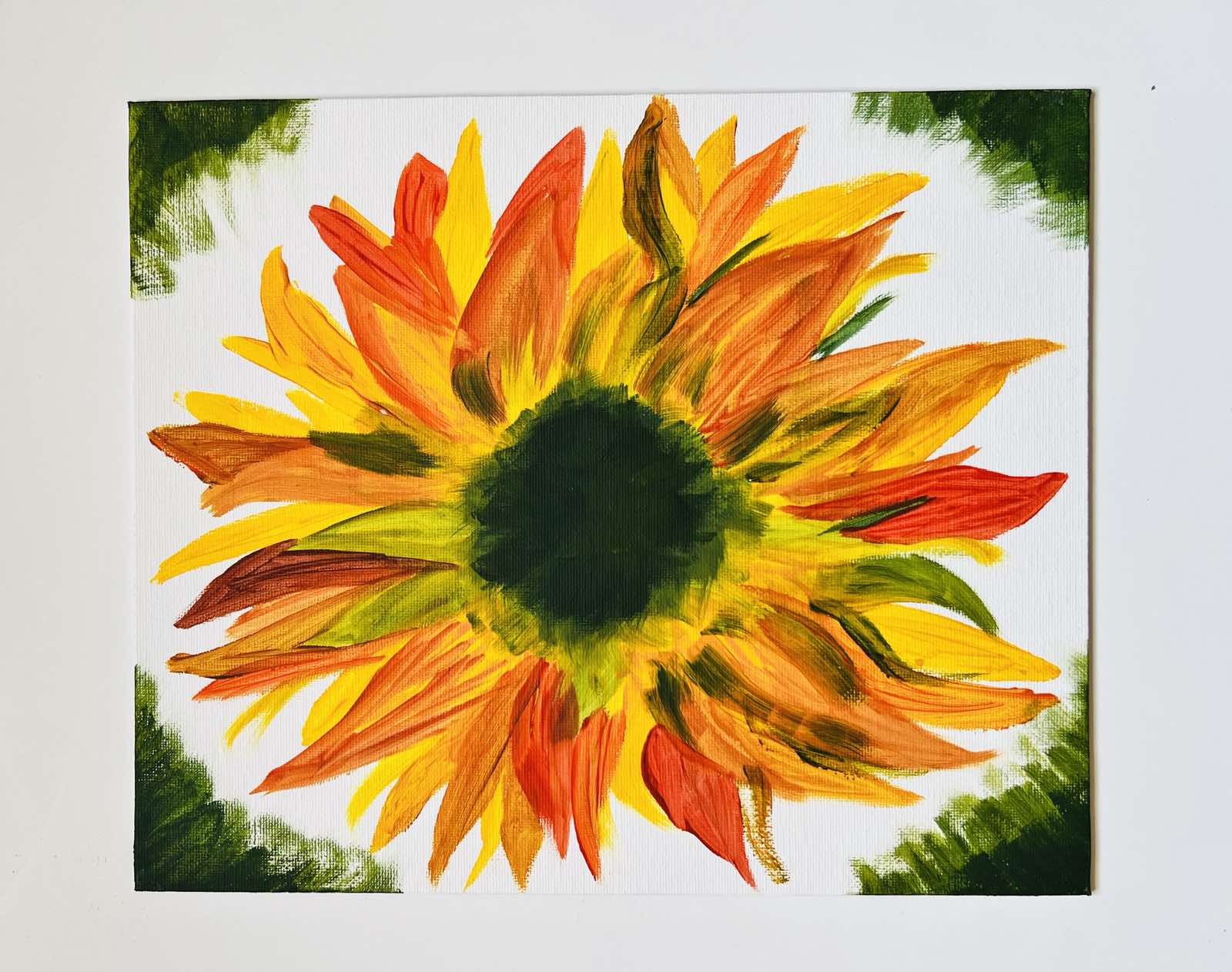
The workshops focused on therapeutic and participatory art practices that helped participants explore their emotions, experiences of loss and adaptation, and find individual and collective strategies for overcoming trauma. These processes are reflected in the works presented in the photographs and in the artworks created by the participants.
Research and next steps
In July–August 2025, with the consent of the participants, qualitative interviews were conducted with young people from both groups, and research data was collected and systematized. The results are currently being analyzed and a final analytical report is being prepared.
In the coming months, the team plans to complete the report, prepare scientific publications in professional journals, and develop practical recommendations for working with displaced youth in an international context.

The Artistic Resilience project has confirmed the importance of art as a powerful tool for supporting, restoring, and strengthening the voice of Ukrainian youth who have experienced forced displacement due to war—and as a space where community can be born even far from home.
Reference
The project “Artistic Resilience: Healing for Young People from Ukraine Amidst War” is being implemented in Scotland. This research/project is supported by the British Academy/Cara/Leverhulme Research Support Grant, funded by the Leverhulme Trust. The project is led by Kateryna Buchko, PhD, an Honorary Researcher at the University of Stirling, a psychosocial support specialist with NGO Community Self-Help, and a lecturer at the Ukrainian Catholic University.